For the most part, the world is a pretty safe place for travelers. I don’t want to scare you too much! However, it’s wise to be prepared. With that in mind, here are my best travel safety tips to help minimize your chances of something bad happening to you during your travels.
1. Write Down Emergency Info
If disaster strikes, you might not have time to search for numbers for local police or ambulance services, or directions to the nearest embassy for your country. You may also be too stressed and panicky to think straight.
Don’t put yourself in that position. Instead, record that information in advance, and create an “Emergency Plan” for you to follow if things go badly. Save it on your phone somewhere (I use the Evernote App).
I also recommend you write it down on a small card or sheet of paper, get it laminated (easily done at your local office supply store) to protect it from moisture, and keep it in your wallet/purse.
You can also save the information on a small USB thumb drive, along with copies of your passport and other important documents.
That way, if something goes wrong while traveling, you’ll always have access to your documents, plus know exactly who to call and where to go for help.
2.Lock Up Your Valuables
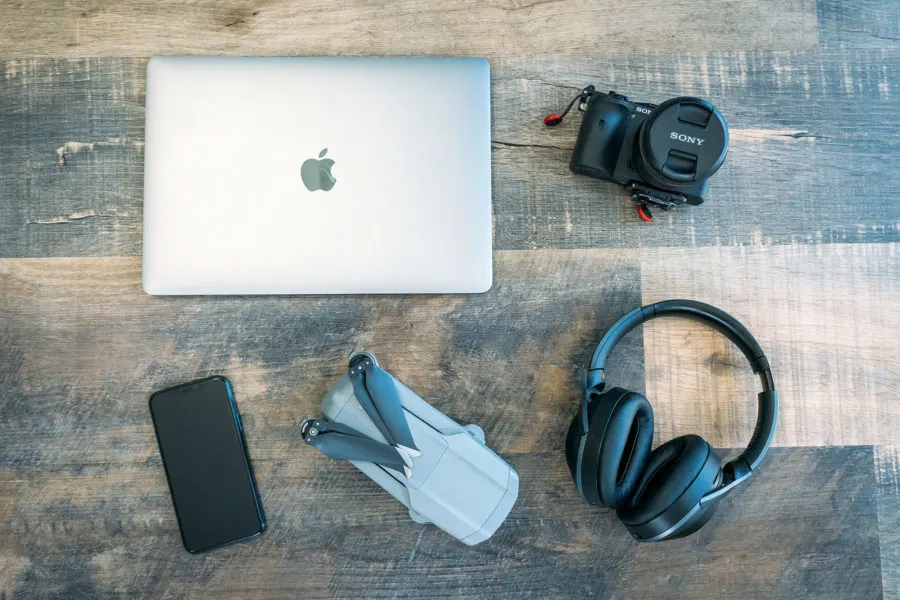
Putting aside the fact that traveling with anything super valuable is usually a bad idea, there will always be something you absolutely cannot afford to have stolen. I travel with a lot of expensive camera gear for example.
Your job is to minimize the easy opportunities for theft.
Firstly, know that most travel backpacks aren’t very secure. It’s easy to feel that a zipped, even locked bag is a sufficient deterrent to any thief, and doze off next to it. Waking up to find someone’s slashed a hole in the side!
Unless it’s a slash-proof backpack, the material can be cut or torn by anyone determined enough. Many zippers can be forced open with sharp objects like a writing pen.
Always be aware of your valuables, and try to keep an eye on them in such a way that it would be impossible for someone to steal without you knowing. I’ll use my backpack as a pillow on train/bus routes that have a reputation for theft, and will sometimes lock it to a seat using a thin cable like this.
Secondly, call your accommodation to ask about secure storage options like a room safe, lockers, or a locked storage area. Carry your own locker padlock when staying at backpacking hostels.
3.Get Travel Insurance
You never think you need it, until you do. If you’re really worried about the safety of yourself and your gear while you travel, you can almost completely relax if you have some good insurance.
People ask me all the time if I’m worried about traveling with an expensive computer and camera. I was, when I didn’t have insurance for them. Now that I do, I’m not worried. If stuff gets stolen, it will get replaced.
Everyone should carry some kind of health and property insurance when traveling. Why? Because stuff happens. Whether you think it will or not. It doesn’t matter how careful you think you are.
My recommendation is SafetyWing for short-term travel insurance. They make it super easy to buy online. (They also cover COVID-19!)
If you’re going to be traveling for a long time (like as a digital nomad), there are good long-term options like expat health insurance from SafetyWing Remote Health mixed with photography/computer insurance from TCP Photography Insurance.
4.Ask Locals For Advice
If you really want to know which neighborhoods are safe and which might be sketchy, ask a local resident of the area.
Most locals are friendly, and will warn you about straying into dangerous areas. On the other hand, if a stranger offers up advice, it’s also wise to get a second opinion – just in case they don’t really know what they’re talking about but simply wanted to help (or worse, are trying to scam you).
Taxi drivers can be hit or miss in this regard. Some can be excellent sources for good information, others are miserable assholes who might actually lead you into trouble.
I’ve found that hostel or hotel front desk workers are generally pretty good sources for local advice.
Don’t be afraid to ask them which parts of the city to avoid, how much taxi fares should cost, and where to find a great place to eat!
5.Email Your Itinerary To Friends/Family
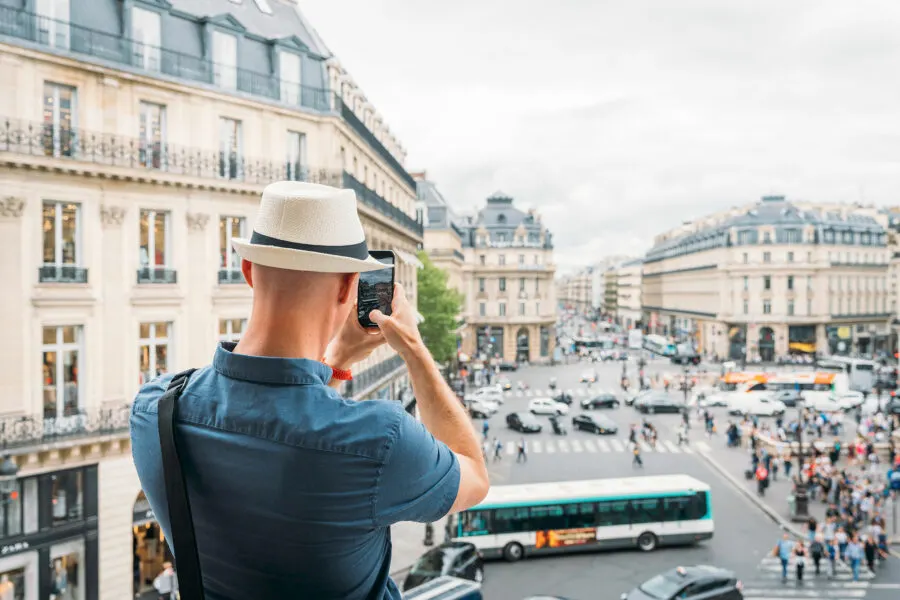
Once you’ve worked out where you’re going and when, make sure someone else knows too.
The best way is to email the full itinerary to a few family members (and double-check with them that they received it – don’t just assume it landed in their Inbox, make sure it did). Then, if you can, check in from time to time.
Before I travel anywhere, I make sure my parents know where I’m going, what my general plans are, and when I should be back.
That way, if they don’t hear from me for a few days after I’m supposed to return, they can help notify the proper local authorities, the embassy, etc.
6.Don’t Share Too Much With Strangers
If you’re ever tempted to make your itinerary more public, say in a Facebook post, just remember it can be a roadmap of your movements – just the sort of thing someone with ill-intentions would love to know.
I also don’t recommend sharing too many details about your travel plans or accommodation details with people you’ve just met. For example, don’t tell a local shop owner or street tout where you’re staying when asked.
If someone does ask, rather than be rude, you can be vague about an area of town rather than the name of your hotel. Or lie and name a hotel you’re not actually staying at.
Sometimes people will ask if it’s your first time visiting their country or city. If you don’t trust them yet, you can pretend it isn’t your first trip. Because sharing that you’re new might also signal you’re a good target for scams.
When feeling vulnerable in a strange place, little white lies won’t hurt.
7.Don’t Do Stupid Things For Photos
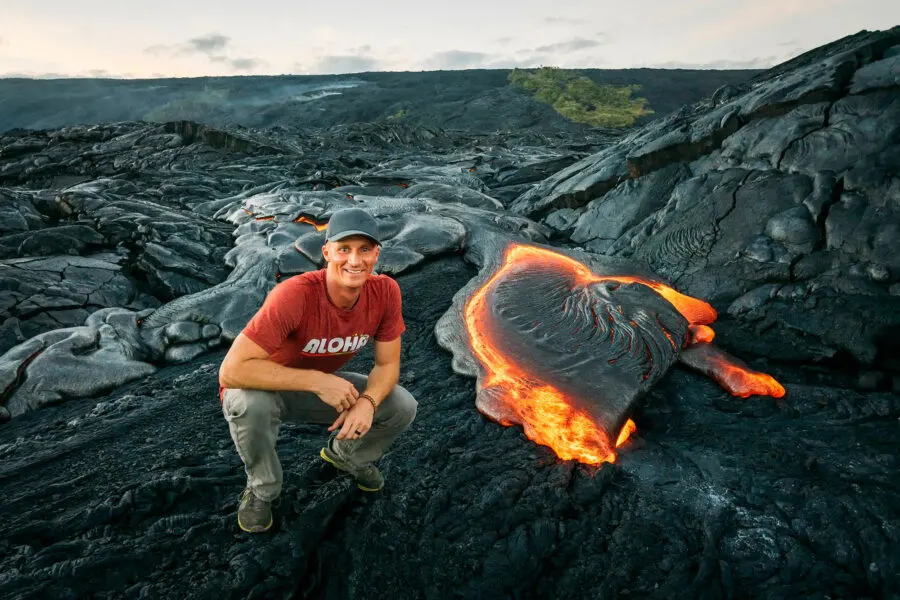
In the age of Instagram & TikTok, it often feels like tourists are engaging in increasingly riskier activities just for likes on social media. Every week now you hear about people falling off cliffs or getting attacked by wildlife because they were trying to get an awesome photo.
Know your personal limits! Don’t do stupid things that have a high potential to get you hurt or killed. I’ll admit I enjoy a bit of risk now and then, but I try to be smart about it.
Don’t stand on the edge of a cliff if it’s windy or looks unstable. Pay attention to posted signs and warnings wherever you go. Keep your distance from wildlife, because animals are unpredictable.
Put yourself in the shoes of the locals, be respectful of the places you visit, and don’t trespass on private property either.